- Flooring
6 Signs It’s Time to Replace Old Flooring
December 20, 2025
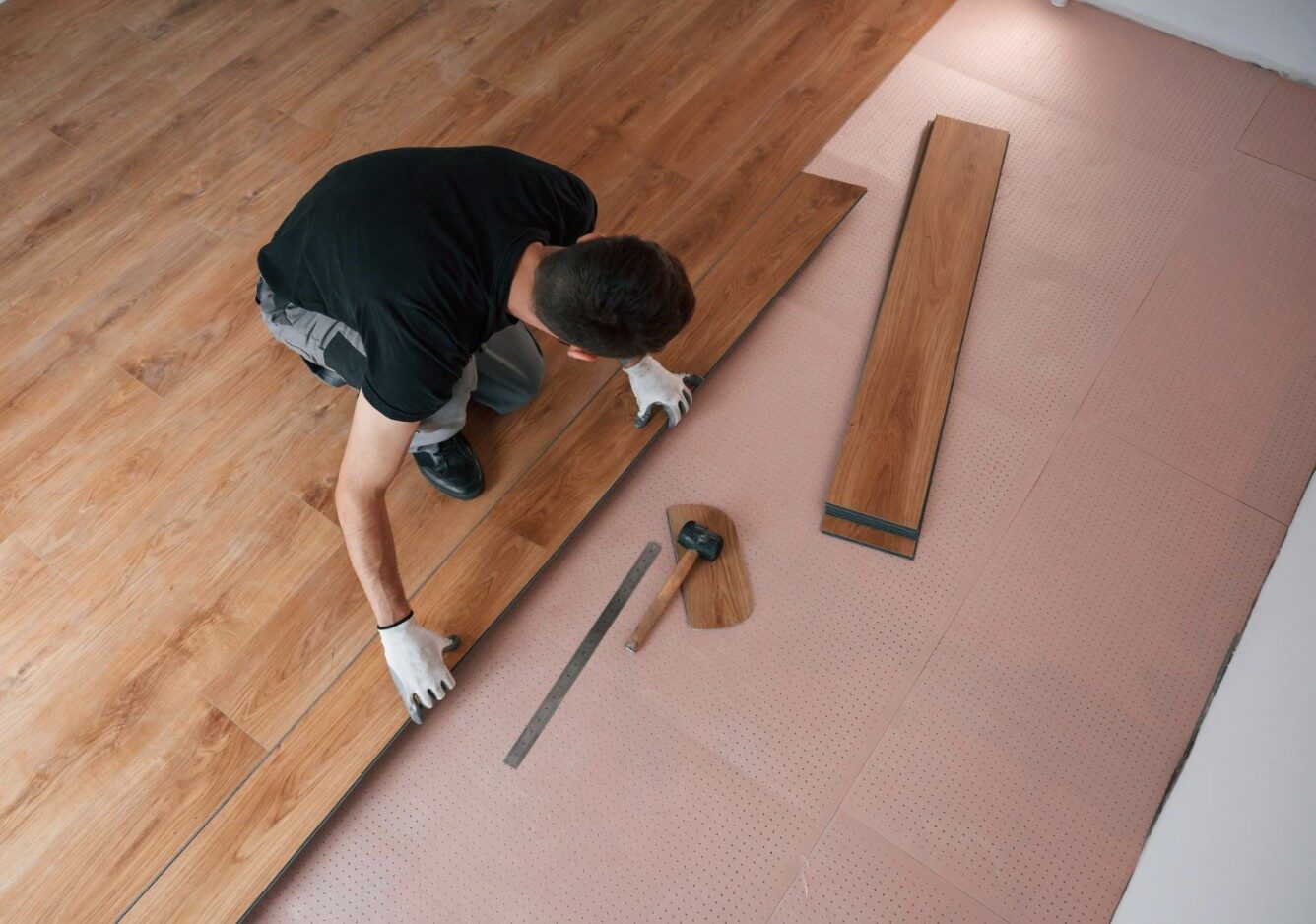
Floors are one of the hardest-working surfaces in your home. They endure daily foot traffic, furniture movement, spills, pet claws, and the wear and tear of everyday life. Even high-quality materials have their limits.
At some point, continuing to patch or repair aging floors becomes more expensive, time-consuming, and frustrating than replacing them altogether. But how do you know when you’ve reached that point?
With over 30 years of flooring experience along the Crystal Coast, we’ve helped hundreds of homeowners evaluate their floors—and make smart, timely upgrades that save money and improve daily living. Below are six reliable signs your flooring might be due for a full replacement.
1. Widespread Wear and Tear
Scratches, dents, stains, sagging, and other signs of surface damage often develop gradually. Over time, these imperfections blend into the background and become easy to ignore. However, once they’re widespread, repair may no longer be a practical or cost-effective solution.
According to the National Association of Home Builders (NAHB), flooring lifespans vary:
-
Carpet
: 8–10 years
-
Vinyl
: 10–20 years
-
Hardwood
: 20–100 years (with proper maintenance)
Heavy foot traffic, pets, and poor installation can significantly shorten these timelines.
2. Persistent Odors or Stains
Carpet is especially vulnerable to holding onto odors and stains. Even after repeated deep cleanings, musty smells or stubborn stains can linger. Moisture trapped in carpet padding can also create the perfect environment for mold or mildew—particularly in humid or flood-prone areas.
Lingering odors or dark patches that return after cleaning often signal that the flooring—and sometimes the subfloor—needs replacement.
3. Water Damage or Warping
Water and moisture are major threats to many flooring types. Hardwood, laminate, and even vinyl can be compromised after long-term exposure.
Telltale signs include:
-
Buckling or cupping floorboards
-
Peeling vinyl edges
-
Mold growth along baseboards or seams
-
Soft or spongy spots underfoot
According to studies from the EPA, long-term indoor dampness is linked to respiratory issues and poor indoor air quality. Replacing damaged flooring promptly helps protect your health and the structure beneath it.
4. Constant Repairs in the Same Areas
Recurring repairs—like patching a vinyl corner every few months or stretching carpet that keeps rippling—can become a financial drain.
In many cases, persistent issues are the result of:
-
Material failure due to age
-
Underlying subfloor problems
-
Improper initial installation
If the same problem areas keep showing up, it’s often a sign the flooring has reached its limit and needs to be fully replaced.
5. Outdated or Incompatible Style
Even if your floor is still structurally sound, style matters. Flooring sets the tone for your space, and outdated patterns or colors can make a room feel dark, dated, or mismatched—especially if you’ve updated other elements like cabinets or wall colors.
Replacing flooring is one of the easiest ways to modernize a space and improve its visual appeal.
Bonus: According to Remodeling Magazine’s 2023 Cost vs. Value Report, replacing worn flooring in high-impact areas like living rooms and entryways can offer up to 70% return on investment (ROI) when selling your home.
6. Getting Ready to Sell or Renovate
If you’re planning a home renovation or prepping for resale, damaged or outdated flooring can quickly turn away potential buyers. First impressions matter—and flooring is one of the first things buyers notice during a walkthrough.
New flooring can:
-
Improve overall aesthetic
-
Add value to your property
-
Make staging easier
-
Help your home stand out in a competitive market
Even mid-range flooring upgrades like luxury vinyl plank (LVP) or engineered hardwood can have a significant impact on buyer perception.
When Patching Isn’t Worth It Anymore
Patching works for small, isolated issues. But once damage is widespread, repeated fixes are rarely cost-effective. Materials can become unavailable, seams stop matching, and repairs can look obvious or uneven.
Instead of investing in temporary solutions, upgrading to new flooring provides lasting durability, improved performance, and a refreshed look throughout your space.
What to Do Next: Choosing the Right Flooring for Your Home
If several of these signs sound familiar, it’s time to explore flooring options that fit your lifestyle and budget. Whether you’re replacing high-traffic flooring or upgrading for style, the right material makes a huge difference.
Explore durable, stylish hardwood options , browse our wide selection of carpets , check out our resilient luxury vinyl tile , or book a free in-home estimate and let us bring samples right to your door.
Frequently Asked Questions (FAQs)
Q: How often should flooring be replaced?
A: It depends on the material. Carpet usually lasts 8–10 years, vinyl around 15–20 years, and hardwood can last decades with proper care. Heavy foot traffic or moisture exposure shortens lifespan.
Q: Is it cheaper to repair or replace damaged flooring?
A: Small repairs can be cost-effective, but frequent or widespread damage usually makes replacement the better long-term investment.
Q: Can water-damaged flooring be saved?
A: If caught early, minor damage might be repaired. However, warping, mold, or swelling are signs it’s time for full replacement—especially with wood or laminate.
Q: Will new flooring increase my home’s value?
A: Yes. Updated flooring improves appearance and function. In many cases, it can increase resale value and help your home sell faster.
Q: How do I choose the right flooring material?
A: Consider your household needs—pets, kids, foot traffic, moisture levels—and your budget. Our team helps match the right product to your lifestyle.